
Chocolate Spread Filling Machine
The TTSCF100 is a tabletop jar depositor for chocolate spread, hazelnut cream, praline paste, and similar fat-based viscous spreads. Jars are placed manually, one at a time, under the dosing nozzle. The decision this page drives is the dosing configuration: pneumatic for a fixed jar size, or servo-driven gear pump with load cell for variable jars and strict fill-weight tolerance. The configuration is fixed at the order. Single-color depositing only — double-color or marbled spreads, in-line auto-jar handling, water-based or aerated products, and chunky inclusions above gear-pump clearance are out of scope (see boundaries below).
VIDEOShare
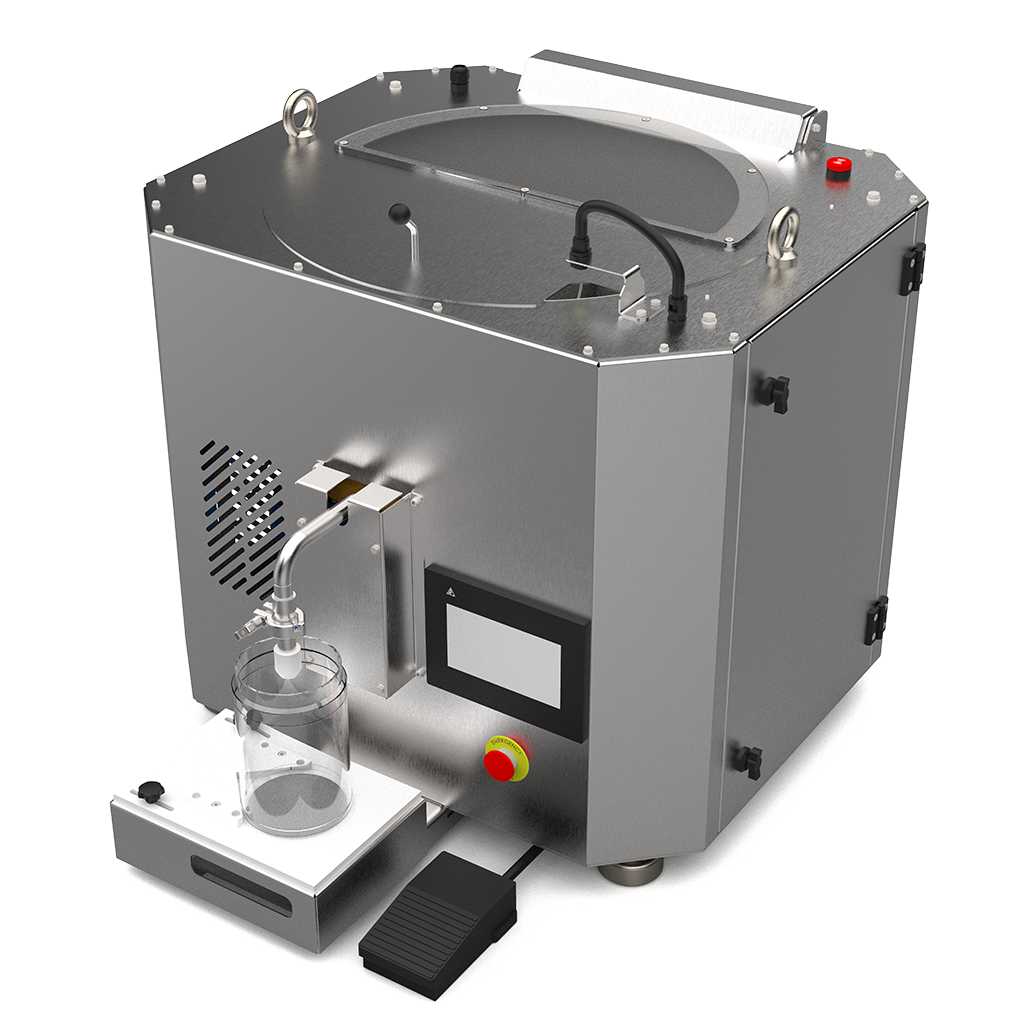 TTSCF100

Pneumatic or servo + load cell: dosing configuration decides
Dosing configuration is the primary decision and is fixed at the order — load-cell hardware is integrated into the chassis at manufacture and cannot be retrofitted later. Both configurations share the chassis, the dry-heated reservoir, and manual jar placement; they differ only in how each shot is metered. Full reasoning in FAQ Q1.
| Configuration | Dosing mechanism | Fill control | Eliminates if… |
|---|---|---|---|
| Pneumatic | Pneumatic pouring with mechanically adjusted stroke | Volumetric, set once at commissioning | Jar size changes during the run, or fill-weight tolerance is tight enough that closed-loop verification per jar is required |
| Servo + load cell | Servo-driven gear pump up to 0.1 m³/h | Weight-based, closed-loop via load cell; target weight entered on the control panel | Production runs a single fixed jar size with relaxed fill-weight tolerance — closed-loop weight control adds cost without adding value when the spec never moves |
What the TTSCF100 fills — and what it doesn't
The TTSCF100 fills fat-based viscous spreads compatible with PID-controlled dry heating and gear-pump dosing — chocolate spread, hazelnut cream, praline paste. Three product categories are out of scope: water-based or aerated products (need a positive-displacement piston filler or aseptic line, not a gear pump), chunky inclusions larger than gear-pump clearance (jam the pump), and double-color or marbled spreads (separate machine with two nozzles and two reservoirs). Full reasoning in FAQ Q3.
Manual jar placement is the design boundary
Jars are placed manually under the dosing nozzle, one at a time. The TTSCF100 is sized for tabletop installation in pilot lines, recipe development, and small-to-medium production volumes where shift-rate fill counts match what a single operator can handle. In-line jar conveyors with auto-positioning are over the TTSCF100's design envelope and require an integrated filling line — a different machine, not a field upgrade. Full reasoning in FAQ Q5.
Reservoir as secondary melting / holding unit
Primary function is filling. The reservoir can also melt or hold a small batch of spread for pilot lines, recipe development, or low-volume runs where a separate melting tank is not justified. Not a substitute for an industrial melting tank on a continuous production line — the reservoir is sized for filling-shift volumes. Full reasoning in FAQ Q4.
Position in the production line
Upstream chain for hazelnut spread: roasted nuts → impact mill / nut grinder (paste from whole or chopped nuts) → ball mill refiner (refines the spread to target particle size) → storage tank (holds the spread homogeneous and at filling temperature) → TTSCF100 reservoir. Skipping the storage tank and feeding the TTSCF100 reservoir directly from the ball mill works only if mill discharge temperature, viscosity, and homogeneity match the depositor's input requirements; otherwise the TTSCF100's reservoir absorbs the variability and fill-weight stability degrades within the run.
Warranty and Lead Time
The TTSCF100 carries a 1-year warranty against manufacturing and construction defects. Lead time is 3–4 months from order, as the dosing configuration (pneumatic or servo + load cell) and load-cell hardware are integrated into the chassis at manufacture and are not field-retrofittable.
Model Specifications
TTSCF100 Chocolate Spread Filling Machine – Technical Features
Role: tabletop jar filling of fat-based viscous spreads — chocolate spread, hazelnut cream, praline paste — at pilot, development, and small-to-medium volume with manual jar placement. Switch to an integrated filling line for in-line auto-jar handling; use a two-nozzle machine for double-color or marbled spreads. Dosing configured at order: pneumatic for fixed jar size, servo + load cell for variable jars and tight tolerance.
Price Contact us for pricing
Export packaging is not included in the base price.
Dosing configuration (pneumatic or servo + load cell) and export packaging are quoted at order.
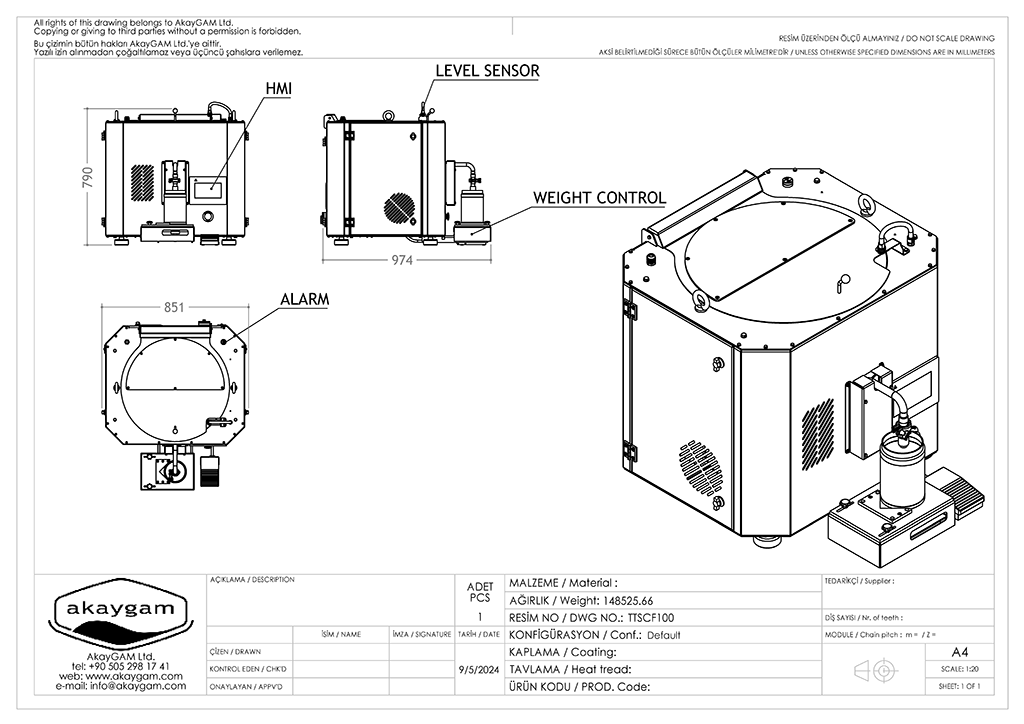
TTSCF100 Technical Drawing
Related equipment
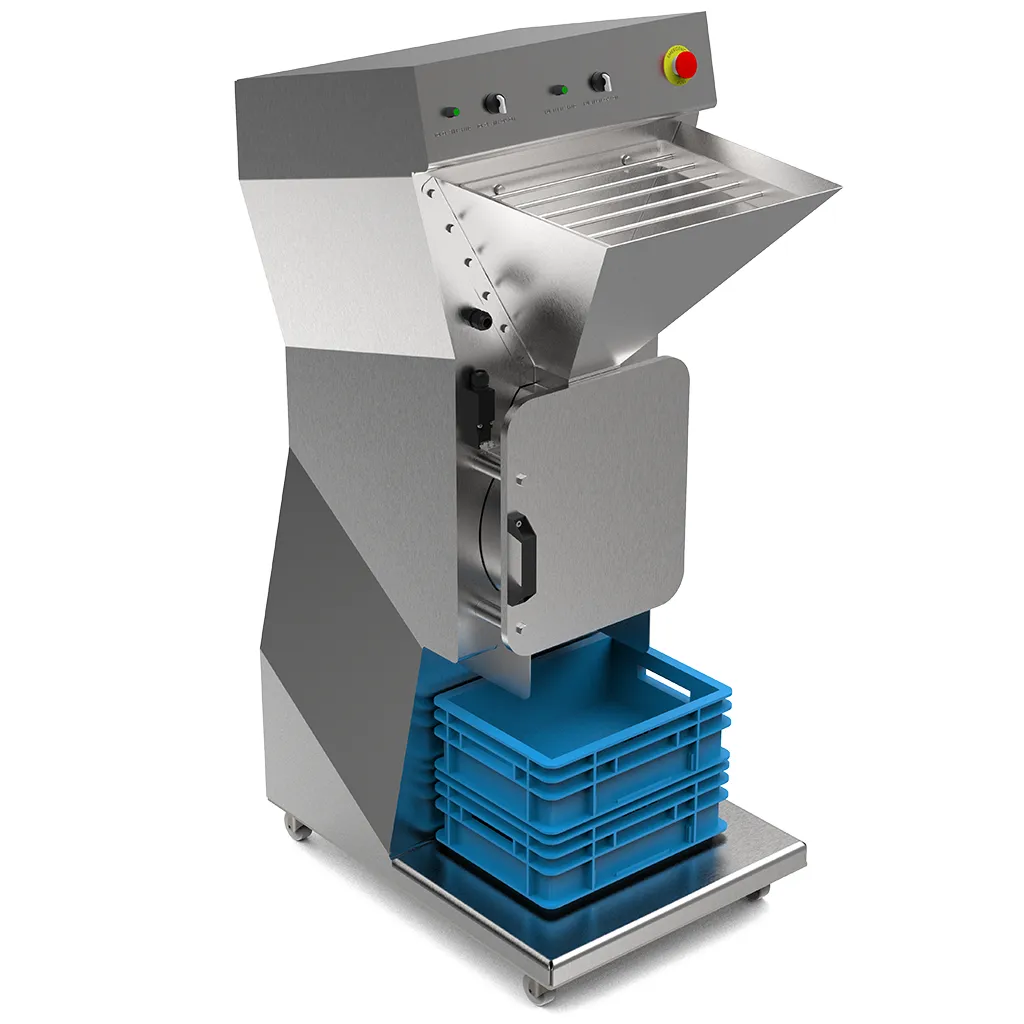
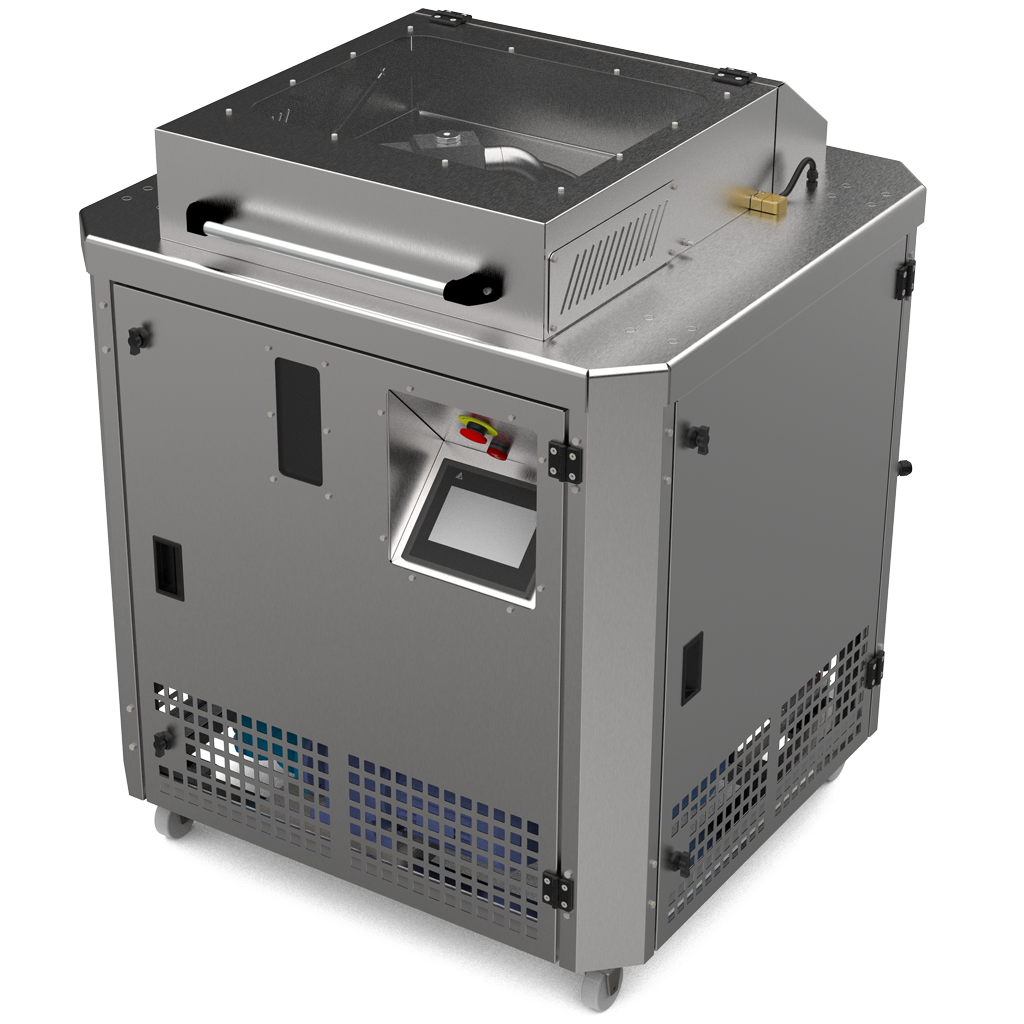
Three pieces of upstream equipment feed the TTSCF100 reservoir for hazelnut spread production: a nut/impact mill reduces roasted nuts to paste, a ball mill refiner brings the spread to target particle size, and a storage tank holds the refined spread homogeneous and at filling temperature. Full upstream-chain reasoning is in the production-line section above.

Frequently Asked Questions
Answers to common questions about the AkayGAM TTSCF100 chocolate spread filling machine.
Pneumatic or servo + load cell — which dosing configuration?
Jar variability and fill-weight tolerance decide:
Pneumatic on a plant that switches jar sizes weekly forces mechanical re-adjustment every changeover and risks weight drift; servo + load cell on a fixed-jar workshop pays for closed-loop control that adds no value when the spec never moves. Configuration is fixed at order — load-cell hardware is integrated at manufacture and cannot be retrofitted.
What jar sizes does the TTSCF100 handle?
Manual jar placement under the dosing nozzle accepts a range of jar sizes within the working envelope of the table. Servo + load cell version recalls fill weight per format from the control panel, so jar changeover is software-driven (recipe recall) and takes seconds. Pneumatic version requires mechanical adjustment of the pouring stroke for each new jar size and is only practical when the jar specification is fixed for the production run. Specific jar dimensions are confirmed at quotation against the machine's working height and footprint.
What spreads can the TTSCF100 fill?
Fat-based viscous spreads compatible with PID dry heating and gear-pump dosing. The 100 kg reservoir's agitator prevents phase separation during the run.
Can the TTSCF100 melt the spread or only fill it?
Primary function is filling. The 100 kg reservoir with PID-controlled dry heating and agitation can also melt or hold a small batch when needed — useful for pilot lines, recipe development, or low-volume production runs where a separate melting tank is not justified. Not a substitute for an industrial melting tank on a continuous production line: the reservoir is sized for filling-shift volumes, not for melting upstream batches that have to keep pace with a higher-throughput downstream depositor.
What does the TTSCF100 not do?
What is the warranty and lead time on the TTSCF100?
1 year against manufacturing and construction defects. Lead time is 3–4 months from order, as the dosing configuration (pneumatic or servo + load cell) and load-cell hardware are integrated into the chassis at manufacture and are not field-retrofittable.